
Interior vs Exterior Painting: What Austin Homeowners Need to Know
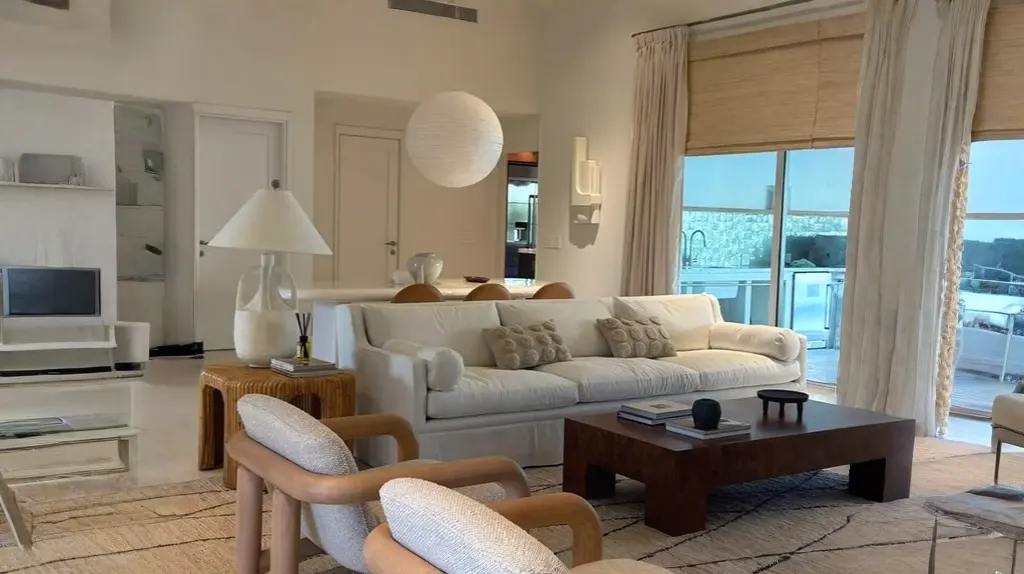
Painting your home is one of the most effective ways to refresh its appearance, protect surfaces, and increase property value. However, many homeowners assume that painting is the same whether it’s inside or outside the house. In reality, interior painting and exterior painting are very different processes that require different materials, preparation methods, and techniques.
For homeowners in Austin, Texas, understanding these differences is especially important due to the region’s heat, humidity, and occasional storms, which can significantly impact paint performance. Whether you’re planning to update your living space or improve curb appeal, knowing how interior and exterior painting differ will help you make better decisions for your home.
Understanding Interior Painting
Interior painting focuses on enhancing the aesthetics and comfort of indoor living spaces. It involves painting walls, ceilings, trim, doors, cabinets, and other interior surfaces.
Key Characteristics of Interior Paint
Interior paint is designed primarily for appearance, durability, and easy maintenance. Since it is used indoors, it doesn’t need to withstand harsh weather conditions.
Some important characteristics include:
- Low odor and low VOC options to maintain indoor air quality
- Smooth and decorative finishes for visual appeal
- Washable surfaces to handle everyday wear and cleaning
- Wide variety of colors and finishes
Common paint finishes used for interior walls include:
- Matte or Flat: Ideal for bedrooms and ceilings because it hides imperfections.
- Eggshell: Popular for living rooms and hallways due to its subtle sheen.
- Satin: Durable and easy to clean, often used in kitchens and bathrooms.
- Semi-Gloss or Gloss: Best for trim, doors, and cabinets because of their durability.
Preparation for Interior Painting
Proper preparation ensures a smooth and long-lasting finish. Interior painting usually includes:
- Cleaning walls to remove dust and grease
- Repairing drywall cracks or holes
- Sanding uneven areas
- Applying primer when necessary
Because interior painting focuses on visual quality, surface preparation and finish selection are crucial.
Understanding Exterior Painting
Exterior painting protects your home from environmental damage while improving curb appeal. Unlike interior paint, exterior coatings must withstand sun exposure, rain, humidity, and temperature changes
Key Characteristics of Exterior Paint
Exterior paint is specially formulated to handle harsh weather conditions. Its primary purpose is protection and durability.
Exterior paint typically offers:
- UV resistance to prevent fading from strong sunlight
- Moisture resistance to protect surfaces from rain and humidity
- Flexibility to expand and contract with temperature changes
- Mildew and mold resistance
Because homes in Austin experience intense sun and heat, choosing high-quality exterior paint is essential to prevent peeling, cracking, and fading.
Preparation for Exterior Painting
Exterior painting requires more extensive preparation than interior work. Steps often include:
- Power washing to remove dirt and mildew
- Scraping old or peeling paint
- Repairing damaged wood or siding
- Caulking cracks and gaps
- Priming exposed surfaces
Proper preparation ensures the new paint adheres well and protects your home for many years.
Major Differences Between Interior and Exterior Painting
Although both processes involve applying paint, the purpose, materials, and preparation methods differ significantly.
1. Paint Formulation
Interior paint focuses on appearance and cleanability, while exterior paint is formulated to withstand weather and environmental stress.
2. Durability Requirements
Exterior paint must endure sunlight, rain, and temperature fluctuations, whereas interior paint is designed for daily household wear.
3. Preparation Work
Exterior painting typically requires heavier preparation, including power washing and structural repairs. Interior painting focuses more on smoothing and patching surfaces.
4. Cost Factors
Exterior painting projects are often more expensive because they require more preparation, equipment, and weather-resistant materials.
Why Austin Homeowners Should Pay Attention
Austin’s climate can have a major impact on paint performance. Summers bring high temperatures and intense sunlight, which can cause paint to fade or crack. Occasional heavy rain and humidity can also lead to mold or mildew growth on exterior surfaces.
For this reason, homeowners should:
- Use high-quality, weather-resistant exterior paints
- Schedule painting during mild weather seasons such as spring or fall
- Hire professionals familiar with local climate conditions
Proper paint selection and application can extend the lifespan of exterior paint by several years.
When to Repaint Your Home
Knowing when to repaint helps protect your home and maintain its appearance.
Interior repainting is typically needed every 5–7 years, depending on traffic and wear. Areas such as kitchens, hallways, and children’s rooms may need repainting sooner.
Exterior paint usually lasts 7–10 years, although harsh sunlight or poor previous paint jobs may shorten that timeframe.
Signs that repainting is needed include:
- Peeling or cracking paint
- Fading colors
- Water stains or mold growth
- Visible wall damage or drywall cracks
Addressing these issues early can prevent more costly repairs later.
FAQs
Most interior spaces need repainting every 5–7 years, although high-traffic areas like hallways or kitchens may require more frequent updates.
In Austin’s climate, exterior paint typically lasts 7–10 years, depending on the quality of paint used and the amount of sun exposure.
Exterior paint is not recommended for indoor use because it contains chemicals designed for outdoor durability, which may produce stronger odors and affect indoor air quality.
Spring and fall are generally the best seasons because temperatures are moderate and humidity levels are lower, allowing paint to cure properly.
Primer is recommended when painting over new surfaces, repairing drywall, covering stains, or switching from a dark color to a lighter one. It helps paint adhere better and improves the final finish.
Google Reviews
Posted on GoogleTrustindex verifies that the original source of the review is Google. Make sense Painting just finished painting our property, and they did a marvelous job. Their attention to detail, job site organization, and overall professionalism were outstanding. The final price matched the estimate perfectly, there were no hidden fees, and the project was completed right on schedule. It’s hard to find reliable local contractors with this level of integrity. Will absolutely use them again for future projects!Posted on GoogleTrustindex verifies that the original source of the review is Google. Great job 👍🏻Posted on GoogleTrustindex verifies that the original source of the review is Google. Make Sense Painting is an amazing company with expertise, creativity, vision, polite, and clean. I am interior designer and I have been so amazed by how great of a job that they do I highly recommend them.Posted on GoogleTrustindex verifies that the original source of the review is Google. thank you so much! The house looks amazing. The walls, trim, and overall finish are very clean and professional. Everything looks fresh, neat, and well done. I really appreciate your hard work, attention to detail, and great communication. Highly recommend!Posted on GoogleTrustindex verifies that the original source of the review is Google. I recently hired this company for interior painting, and I’m honestly very impressed with the results. The work was done clean, fast, and with great attention to detail. They protected all surfaces, kept everything organized, and left the place spotless after finishing. The quality of the paint job is excellent — smooth finish, sharp lines, no missed spots. Communication was easy, and they showed up on time every day. Highly recommend if you’re looking for reliable and professional painters. Will definitely use them again!Posted on GoogleTrustindex verifies that the original source of the review is Google. Hired the guys that makes sense painting to do some interior work at a new condo I just purchased. Showed up when they said they were going to show up, the work was phenomenal and they were very efficient. As a contractor myself in a different trade, I know how to tell who is who and these guys are true professionals in their craftPosted on GoogleTrustindex verifies that the original source of the review is Google. As a water damage remediation company, we are always in need of a painting company to make things look good after we tear it apart. Make Sense Painting has been a great addition to our referral network. They provide our customers with great service and work and we have heard nothing but great reviews about their work. Highly recommended!Posted on GoogleTrustindex verifies that the original source of the review is Google. 5 stars! The team was punctual, professional, and delivered exactly what they promised. The quality of the painting was clean and flawless, and they left everything tidy after the job. Highly recommended!Posted on GoogleTrustindex verifies that the original source of the review is Google. I had a problem with the wall but Make sense painting fixed everything quickly and efficiently. Thank you! Everything looks great now. Very recommended!